A high-tech precision fermentation facility showcasing sustainable food production through advanced bioreactors

Last updated: January 24, 2026 | Trust Note: This site uses information from leading food science publications, translated into everyday language.

Precision fermentation is a way to make food ingredients using microbes instead of animals or crops.

It allows us to produce the exact proteins and fats we love—like those in milk and eggs—more sustainably and at a lower cost.

Precision fermentation is a specialized form of brewing, similar to how we make yogurt or cheese. Instead of using a whole cow to get milk protein, we use tiny microbes to "brew" specific ingredients like proteins, fats, and enzymes. It is a proven technology being used today to create a more stable and efficient food system.

Laboratory glassware with vibrant green samples representing precision fermentation
The Future of Food

How It Works

1

The Instruction

Microbes are taught to make a specific ingredient using a genetic blueprint.

2

The Brewing

They grow in tanks using sugars, very similar to how we brew beer or kombucha.

3

The Harvest

The ingredient is harvested, purified, and ready to be used in delicious food.

Clean microscope view of microorganisms

A Note on Safety

The final ingredient is purified and does not contain live microbes. It is simply the protein or fat that was "programmed" to be made, meeting strict food safety standards.

What Is Precision Fermentation Used For?

Creamy milk splash and cheese

Dairy without cows

Milk proteins used in cheese, ice cream, and yogurt that taste and melt exactly like the real thing.

Fresh eggs in a bowl

Egg proteins without chickens

High-quality egg whites for baking, sauces, and packaged foods without the need for intensive farming.

High quality olive oil or fats

Special fats & oils

Improving the taste and texture of plant-based foods by creating specific lipids that mimic animal fats.

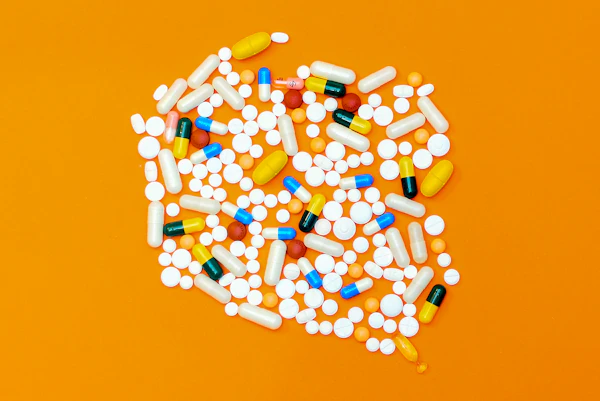
Assorted vitamins and supplements

Vitamins & enzymes

Used in everyday food and supplements to boost nutrition and efficiency in food production.

What’s New in Precision Fermentation

This section is continuously updated as new information is published across the future food industry.

Regulation

New safety approvals for dairy proteins in Europe

Food safety authorities have cleared a major milestone for "animal-free" whey protein, meaning more products will soon hit shelves.

Oct 20, 2023 • Reported by Industry Wire, explained here in plain language.
Sustainability

Study shows 90% less land used for fermented fats

Recent research confirms that producing oils through fermentation uses a fraction of the land compared to traditional farming.

Oct 15, 2023 • Reported by Science Today, explained here in plain language.
Companies

Major chocolate brand tests "animal-free" ingredients

A global sweets manufacturer is exploring fermentation to create smoother textures without increasing dairy usage.

Oct 12, 2023 • Reported by Food Business News, explained here in plain language.

Why It Matters

Food Security

We can make important ingredients without relying on unpredictable weather, droughts, or the health of livestock.

Environmental Impact

This method uses significantly less land and water, and produces fewer greenhouse gases than traditional animal farming.

Better Consistency

Ingredients are designed to behave exactly the same every time, which is essential for making high-quality food products.

Common Questions

Is precision fermentation safe?
Is it the same as GMOs?
Will this replace traditional farming?
Read the full Precision Fermentation FAQ